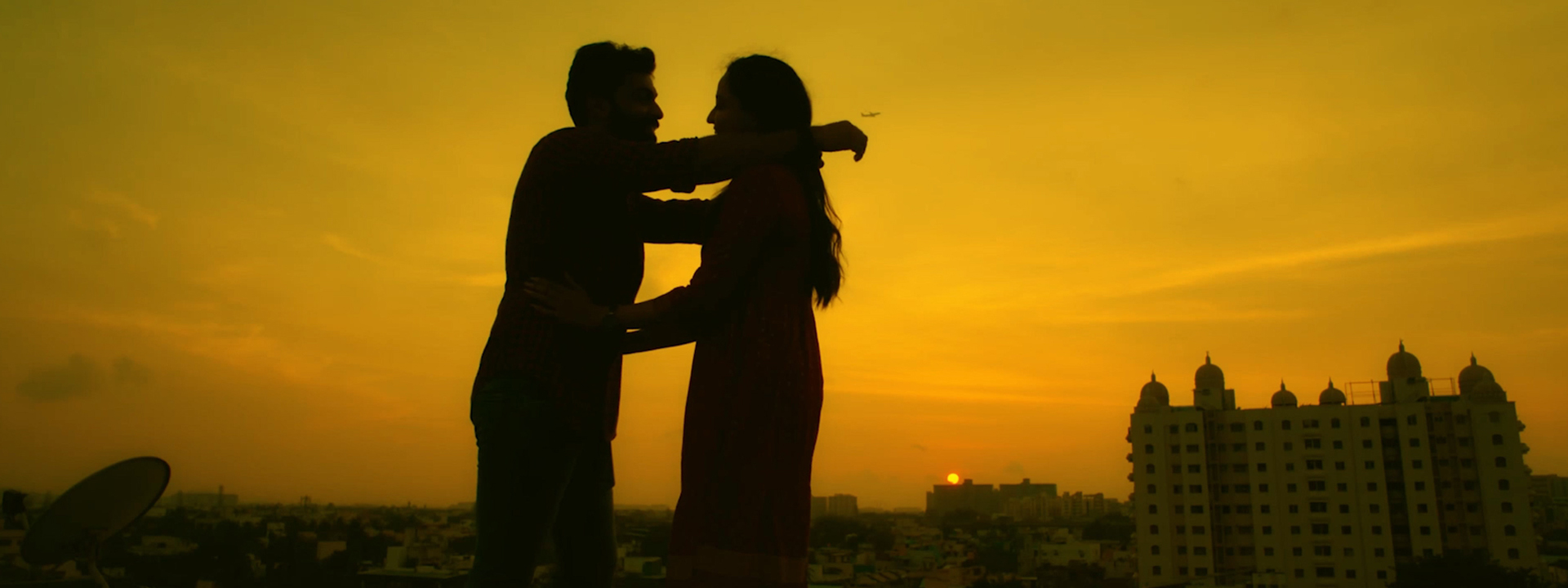
The Art of Silhouette Insights by Indian Cinematographer R.S. Anandakumar
—By R.S. Anandakumar, DOP | Indian Cinematographer
1. . Shadows as Silent Narrators
Silhouettes are not just beautiful visuals; they are emotions without faces. According to cinematographer R.S. Anandakumar, a well crafted silhouette can speak louder than a detailed close-up because it allows the audience to feel rather than simply see.
He believes that light is the true storyteller of any silhouette. As he often says, “If you control the light behind the subject, you control the soul of the frame.”
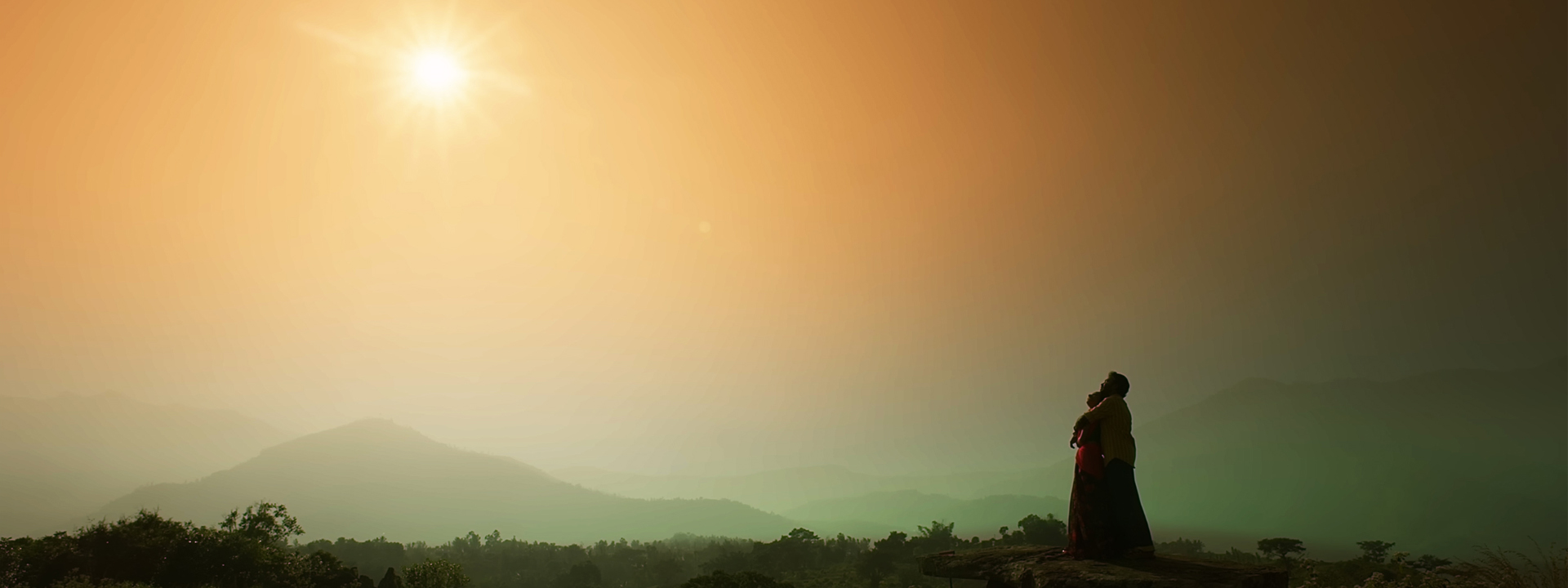
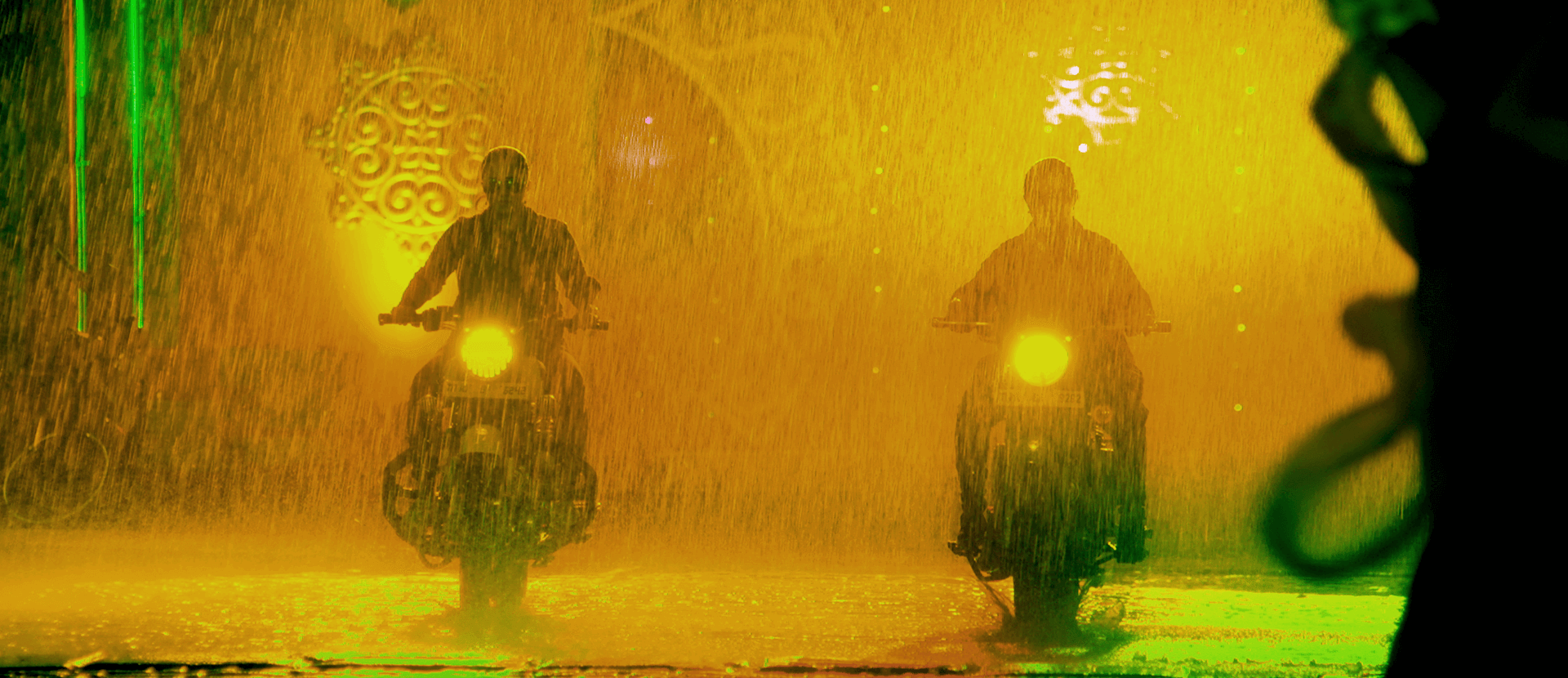
Sunrise and sunset provide natural cinematic backlight, while windows, street lamps, and practical lights can add their own mood, but the essential rule remains that the background must always be brighter than the subject.
2. Sculpting Emotion Through Shape
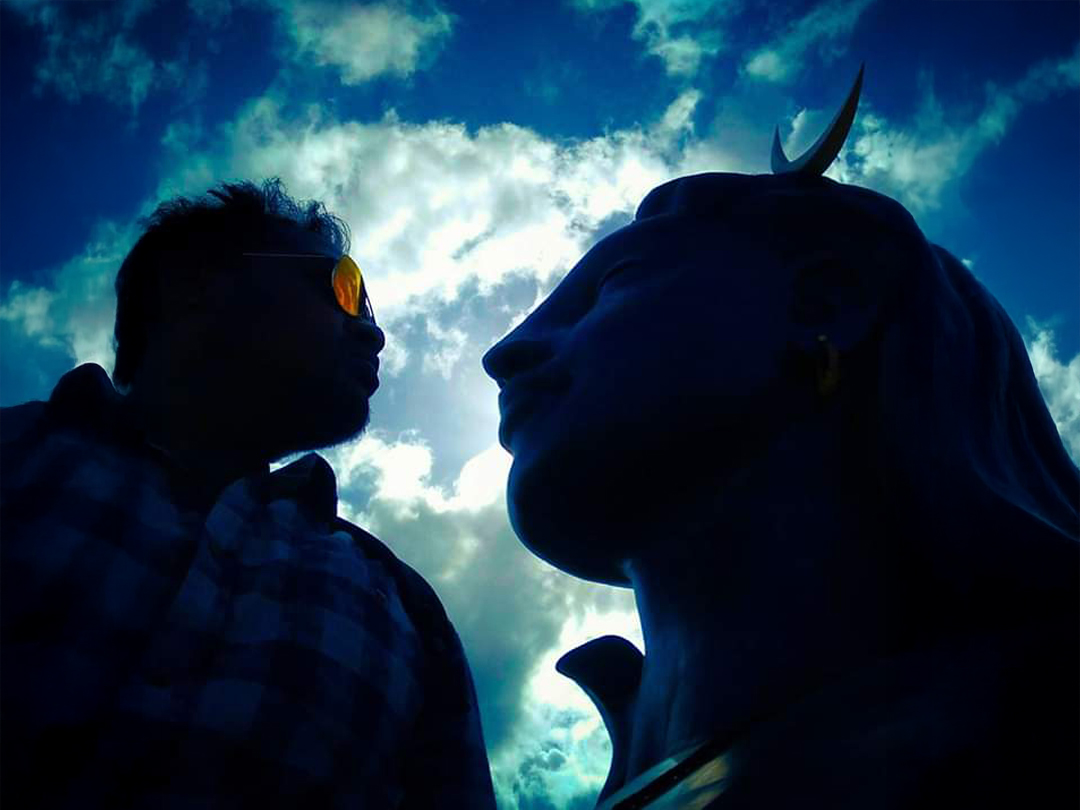
In silhouette cinematography, form becomes the actor. Anandakumar stresses that side profiles reveal stronger emotion, and clear gaps between body and props improve readability. Simple, uncluttered backgrounds protect the purity of the outline and allow the viewer to connect with the feeling rather than the detail. From a technical perspective, he recommends a disciplined camera approach—exposing for the sky or the brightest source, reducing exposure by one to two stops, keeping ISO low to maintain clean blacks, and avoiding flash and HDR in order to preserve natural contrast.
3. The Frame as a Living Stage
For him, framing is equal to performance. Wide frames can suggest solitude and scale, while closer compositions build curiosity and tension. Using doors, pillars, or elements of nature adds depth, and negative space gives the character a silent voice within the image.
4. When the Camera Learns to Breathe
Movement also plays a vital role in his philosophy. “Even shadows must breathe,” says R.S. Anandakumar. A slow dolly-in can add emotional intensity, tracking shots reveal the form gradually, handheld motion brings realism, and at times a completely static frame creates a poetic, timeless mood.
5. Painting with Darkness and Light
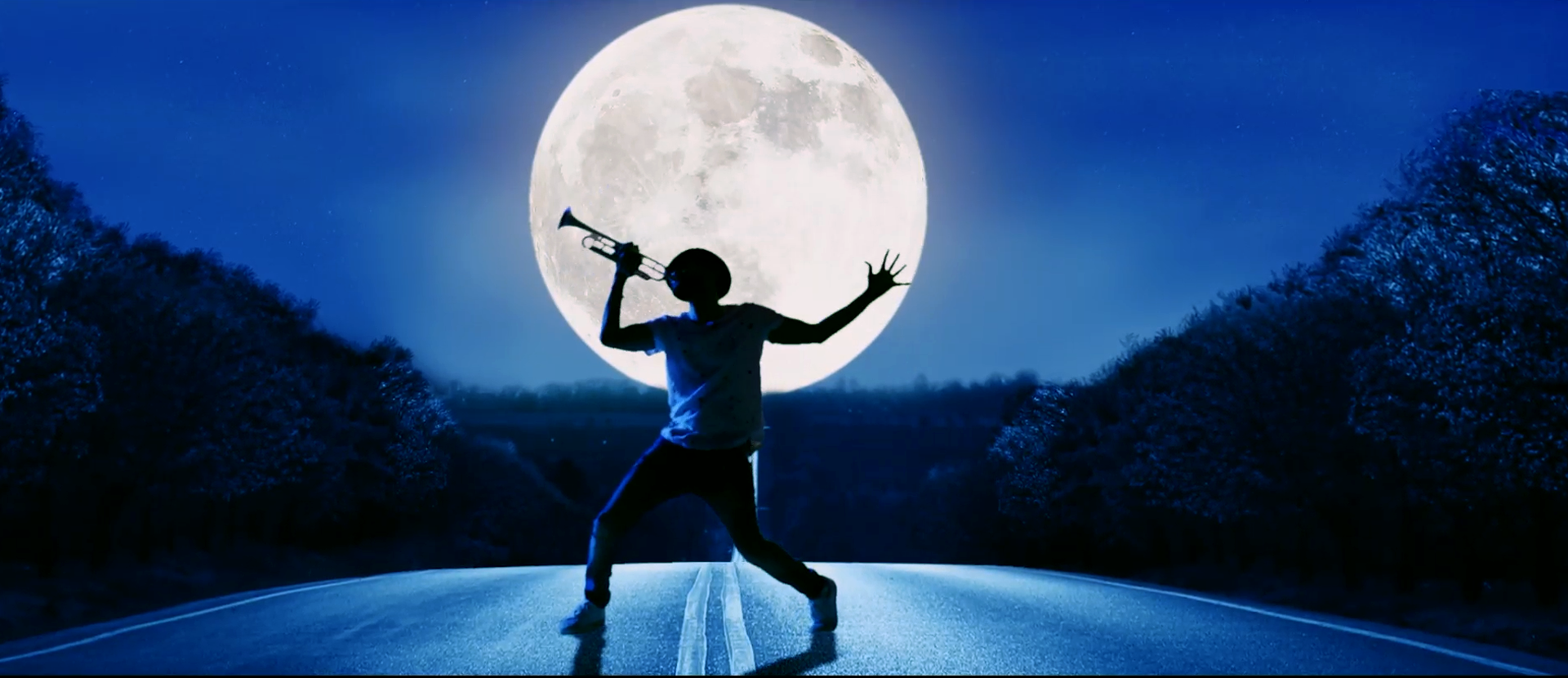
In post-production he follows a simple color philosophy strong highlights, deep shadows, warm tones for love and hope, cool tones for mystery and conflict, and minimal midtones for a pure cinematic feel. For R.S. Anandakumar.
A Final Word from R.S. Anandakumar DOP
A silhouette hides identity but reveals truth. It is where cinematography becomes poetry. When light, frame, and movement unite, the shadow begins to speak its own language.