Beyond the Lens: Why Cinematography Is the Art of the Soul, Not Just the Gear
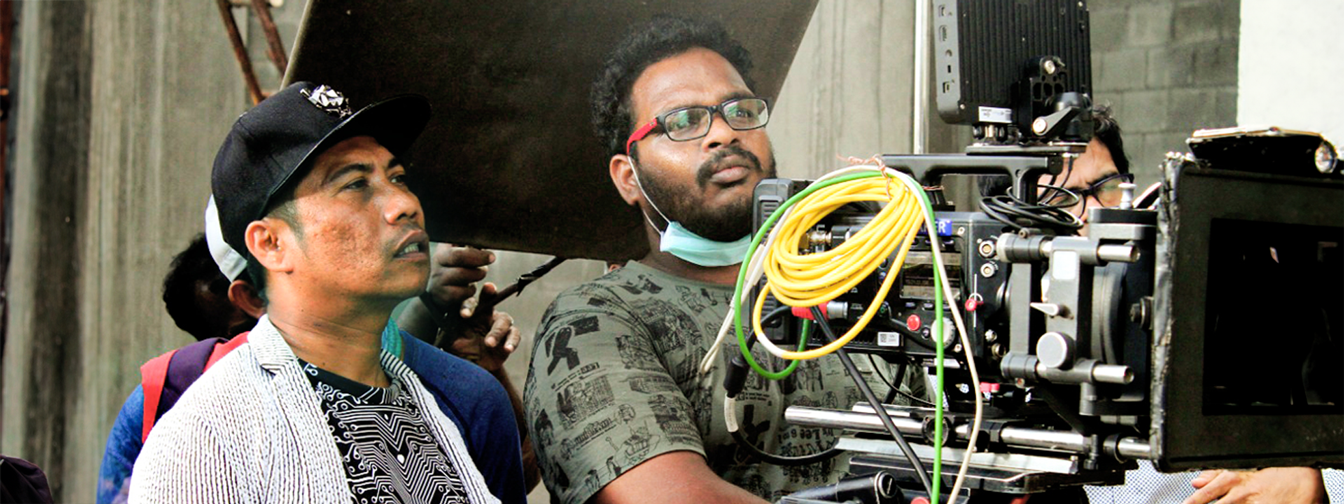
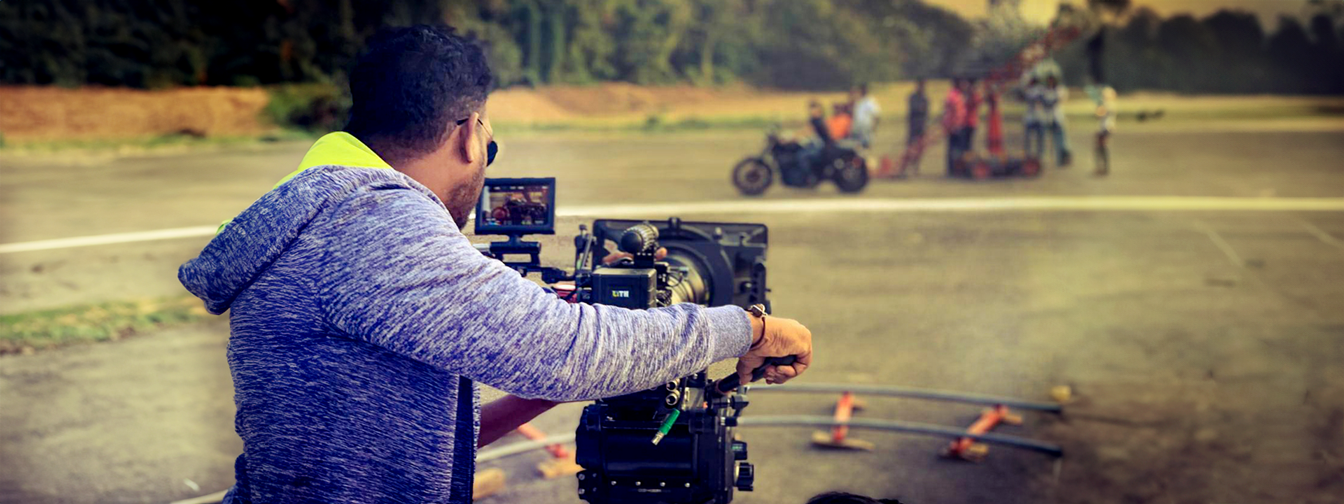
—By R.S. Anandakumar, DOP | Indian Cinematographer
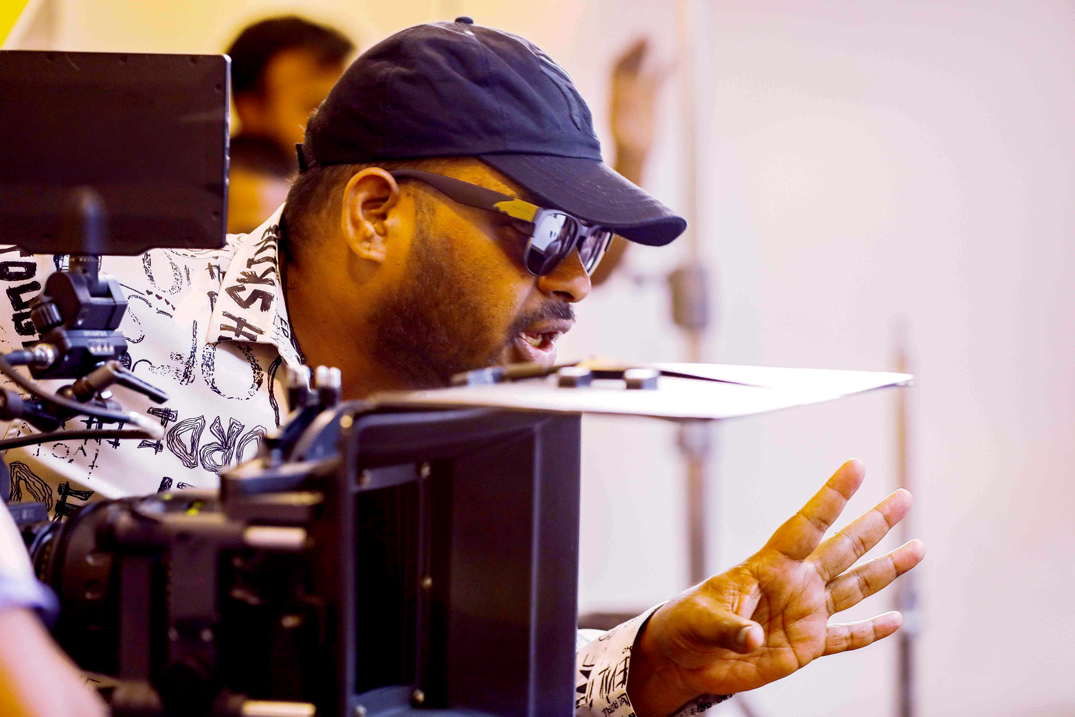
Every time I step onto a film set—whether it’s a chaotic street in Mumbai, a serene backwater in Kerala, or a controlled studio floor in Chennai—I hear the same question: “Which camera are you shooting on?” It’s a familiar icebreaker, a favourite question among tech enthusiasts. And while I deeply respect camera technology, this question misses the true essence of cinematography. It’s like asking a writer, “Which pen are you using?” The pen doesn’t write the story. The mind does.
In the Indian film industry, where we balance massive crowd sequences with deeply intimate emotional moments, there is a common misconception:
Cinematography = Camera
As an Indian cinematographer and Director of Photography (DOP), I want to explain why cinematography is far more than gear—it is emotion, storytelling, leadership, and soul.
Let’s hear what R.S.Anandakumar Cinematographer Says:
1. The Camera Is Just a Canvas; Light Is the Paint
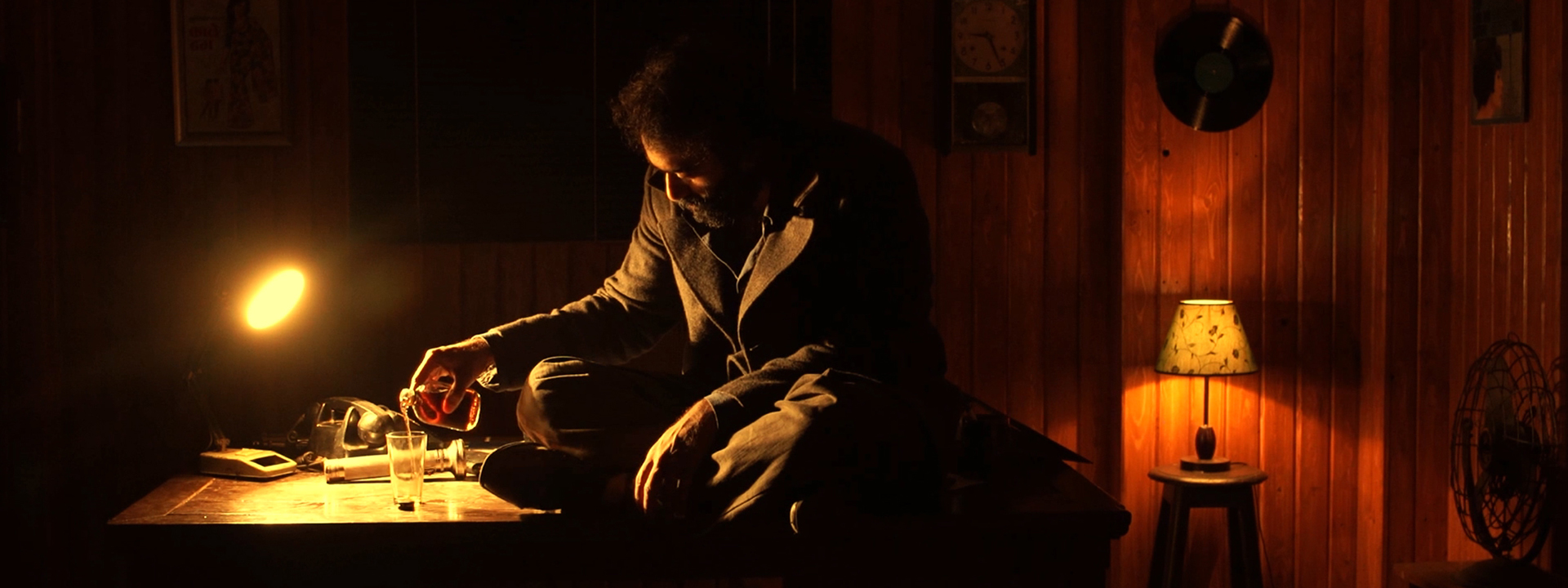
Give the best camera in the world to someone who doesn’t understand light, and you’ll get a very expensive, ugly image. Cinematography is the art of painting with light. India offers one of the most complex lighting environments on earth: harsh midday sun with deep contrast, soft monsoon skies, and golden hour that turns landscapes into poetry.
A cinematographer’s job is to shape light. We cut it, bounce it, diffuse it, control it, or recreate it entirely. The Director of Photography decides the lighting mood and how a face appears—warm or cold, safe or dangerous, honest or mysterious. The camera only records. The cinematographer creates mood, depth, and emotion.
2. Visualizing the Unseen Emotion
A cinematographer is the translator of the script. The director speaks in ideas. The actor speaks in performance. The cinematographer speaks in frames, shadows, and movement.
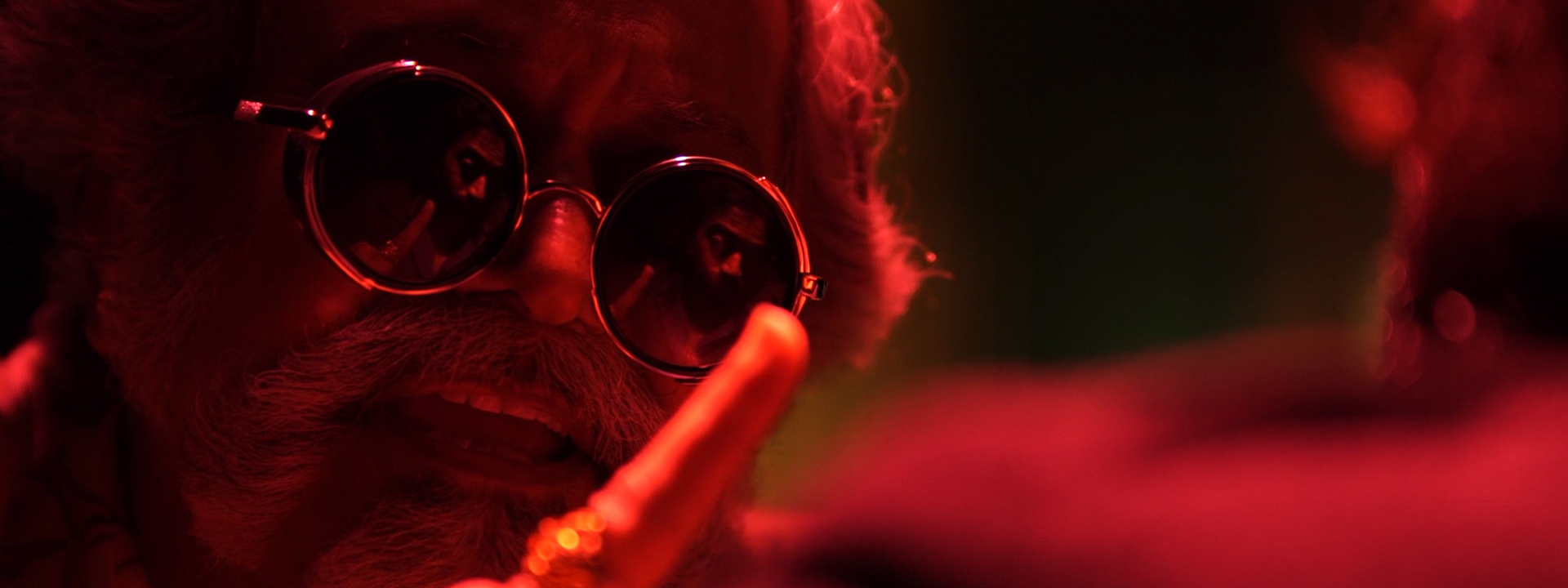
Imagine a couple arguing: a wide shot with a distant camera creates emotional detachment, while a long lens with a close handheld shot creates tension, intimacy, and discomfort. The camera doesn’t make that choice. I do. Every decision—lens choice, camera height, movement, or stillness—is a form of psychological storytelling. This is why cinematography is a form of visual psychology, not just a technical operation.
3. Movement, Music, and Visual Rhythm
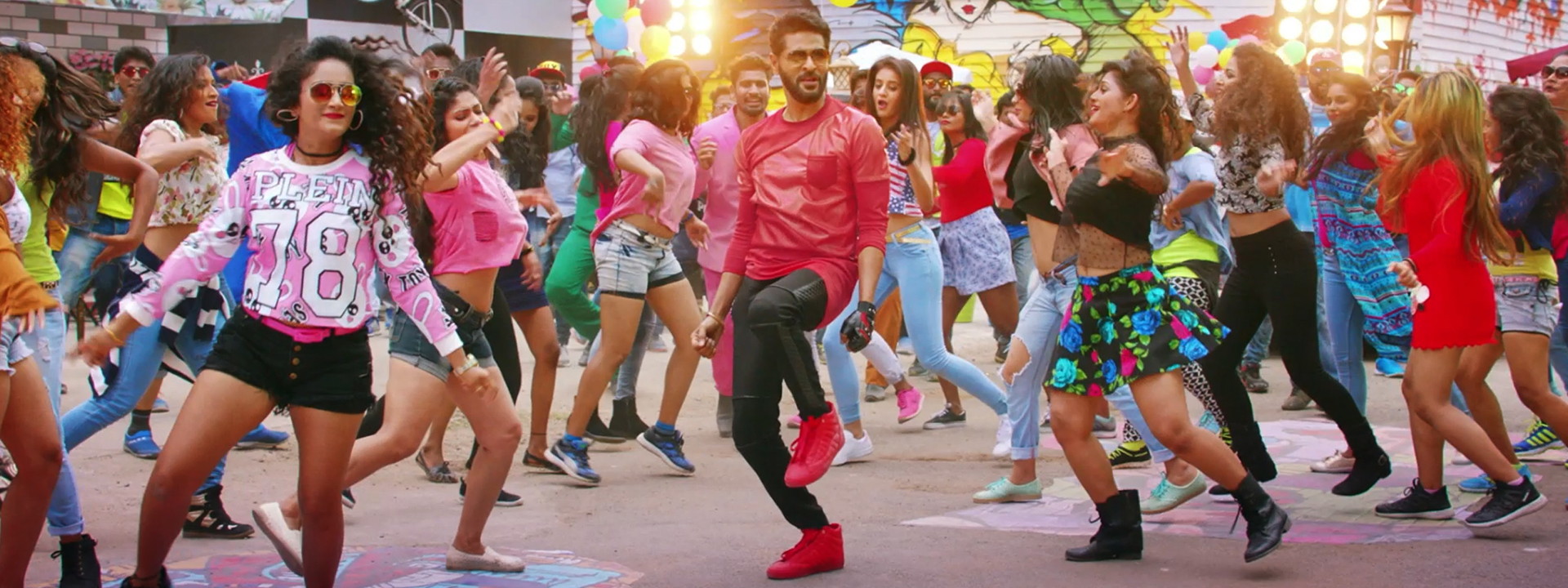
In Indian cinema, movement is culture: songs, dance, action, emotion. Cinematography has rhythm, just like music. When a hero enters, the camera may glide. When tension peaks, the camera may freeze. When emotion explodes, handheld chaos may take over. We call this “the dance of the camera.”
If camera movement has no motivation, it distracts. If it breathes with the actor, it elevates the scene. That harmony is not a camera feature. It is craft, experience, and intuition.
4. Cinematography Is Collaboration and Leadership
A camera on a tripod cannot solve problems. A cinematographer can. On Indian film sets, with hundreds of crew members, cinematography becomes leadership.
I collaborate with production designers for colour harmony, costume designers for texture and contrast, and gaffers for power, exposure, and mood. When rain hits unexpectedly, when permissions are lost, or when schedules collapse, a cinematographer must still deliver visuals that serve the story. This is where experience matters more than equipment.
5. The Eye Matters More Than the Gear
Today, technology is democratised. You can shoot a feature film on a smartphone. So why do we still need cinematographers?
Because gear has no taste. Gear has no empathy. Gear has no emotional intelligence. When you watch great films, you don’t remember resolution or dynamic range. You remember dust in the air, sweat on the brow, and loneliness in silence.
That is cinematography. It is the ability to see poetry where others see a street.
Final Thoughts from R.S. Anandakumar, DOP
The next time you watch a film, don’t ask, “Which camera was used?” Instead ask why the light is falling this way, why the camera is moving or not moving, and why this frame makes you feel something. Because the camera is just a box. The magic lives in the eye, heart, and soul of the cinematographer.