—By R.S. Anandakumar, DOP | Indian Cinematographer
For me, lighting is not simply about making a subject visible. Lighting is about creating emotion, shaping a character, and giving meaning to a frame.
As a cinematographer, I see lighting as one of the most powerful storytelling tools available to me.
We are not simply lighting the location. We are lighting the frame.
What Does Lighting Mean to Me?
When I approach a scene, I don’t begin by asking, “How much light do I need?”
I begin by asking:
“What should the audience feel?”
From there, I consider:
Every lighting decision should have a reason.
Direction, Quality and Contrast
Three fundamental aspects guide most of my lighting decisions: where the light comes from, how soft or hard it is, and how much contrast I want.
Side Light
Side lighting can create dimension by separating the illuminated and shadowed sides of a face.
Practical Shot Example:
A character is sitting alone at night, thinking about an important decision.
I might place the key light to one side and allow the opposite side of the face to fall into shadow.
The result can suggest internal conflict without the character saying anything.
The light reveals one side of the character while allowing the other side to remain hidden.
Hard Light
Hard light creates defined shadows and stronger contrast.
For a suspense scene, sunlight passing through window blinds can create sharp patterns across a character’s face.
The shadows immediately introduce tension and visual mystery.
Soft Light
Soft light creates gentle transitions between highlights and shadows.
For an emotional close-up, I might use a large diffused source positioned near the actor.
The softer light creates a natural and intimate feeling while maintaining shape in the face.
The choice between hard and soft light should always come from the emotion of the scene.
Light and Shadow as Storytelling
I don’t believe every part of a frame needs to be illuminated.
Shadow is not the absence of lighting. Shadow is part of the lighting design.
A character can be partially hidden, an environment can disappear into darkness, or a small area of light can isolate the subject.
Practical Shot Example
A character enters a room where something important has happened.
Instead of lighting the entire room evenly, I may allow certain areas to remain dark.
The audience cannot see everything.
That uncertainty creates suspense.
Sometimes what we hide is more powerful than what we reveal.
Using Light to Create Mood
Lighting can change the emotional meaning of the same location.
Warm Light — Comfort and Intimacy
Imagine a family sitting together during dinner.
Warm light from lamps or household fixtures can create a feeling of comfort, familiarity, and togetherness.
Cool Light — Isolation and Tension
Now imagine the same room late at night.
If the warm light is reduced and cooler light enters through a window, the emotional atmosphere changes.
The room has not changed.
The lighting has changed, and therefore the feeling has changed.
Natural and Practical Light
I enjoy working with light that already exists within the environment.
Practical lights can include:
A character is sitting alone in a bedroom at night.
Instead of making the entire room bright, I might use a table lamp as the motivated source.
The goal is not always to add more lights.
Sometimes the best lighting decision is to understand and control the light that already exists.
Negative Fill and Controlling Contrast
One of the simplest ways to shape a face is to control unwanted reflected light.
Imagine shooting a close-up beside a large window.
The window provides soft light, but the surrounding walls may bounce too much light back onto the shadow side of the face.
Using a black flag or dark material as negative fill can absorb some of that bounced light.
The shadow becomes deeper and the face gains more dimension.
Small changes in contrast can create a major difference in the image.
Lighting the Close-Up
A close-up requires careful attention because the audience is looking directly at the character.
I consider:
For an emotional close-up, I might use a large soft key source slightly above and to the side of the actor.
Rather than completely filling the shadow side, I control it carefully.
This keeps the face dimensional while preserving the emotional mood.
Lighting the Wide Shot
A wide shot requires me to think beyond the actor’s face.
The entire environment becomes part of the composition.
A character walks from a dark hallway into a brighter living room.
Instead of lighting the entire location evenly, I can create different lighting zones:
Dark hallway → transition → brighter room
As the character moves through these zones, the change in light can become part of the storytelling.
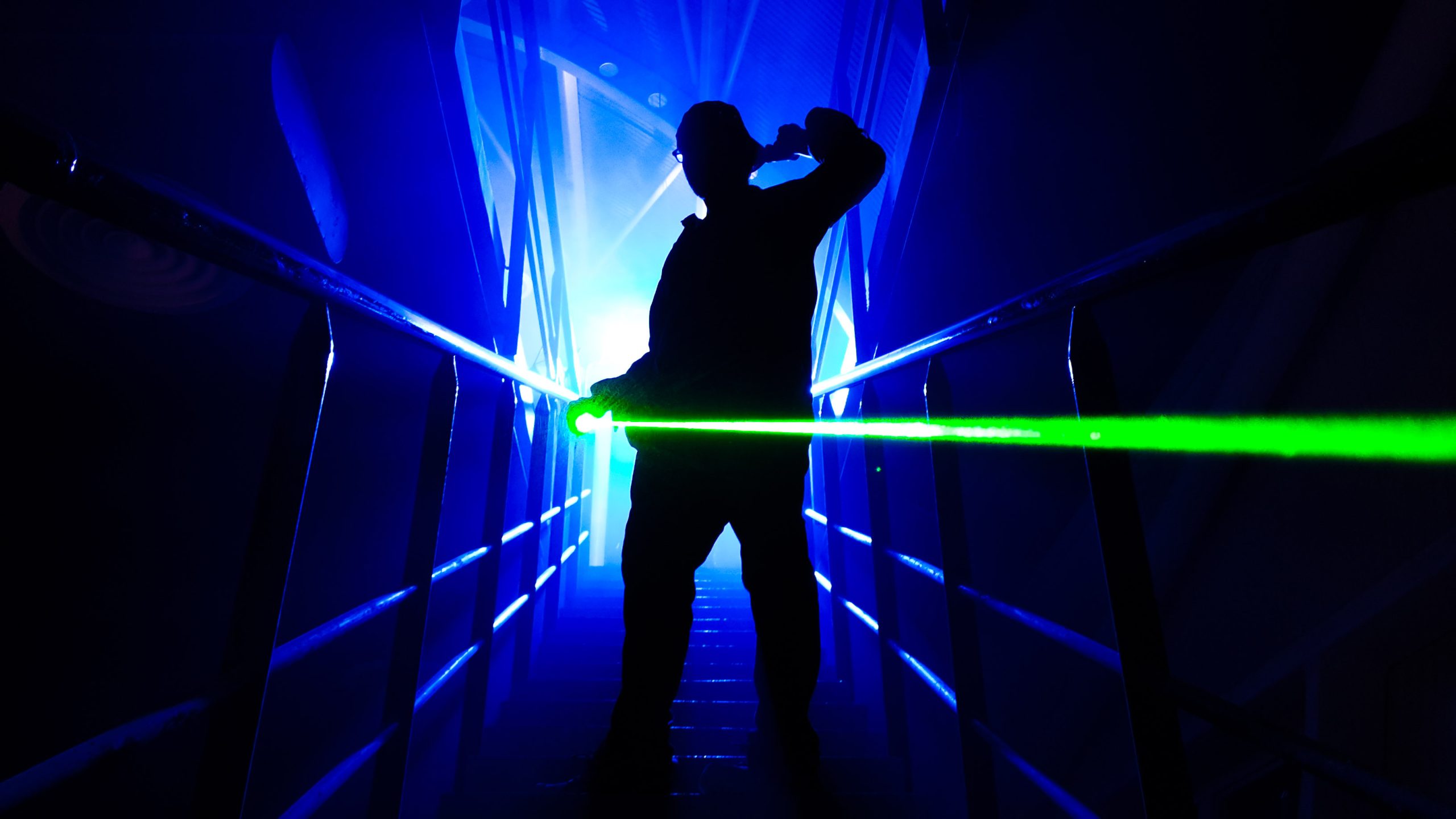
Creating Silhouettes
Sometimes I deliberately choose not to reveal a character’s face.
Two characters meet after many years.
I may place them against a bright sunset or window so that they appear as silhouettes.
The audience understands their presence without immediately seeing their expressions.
This can create mystery and emotional anticipation.
Sometimes hiding the character makes the audience want to see more.
One Scene, Different Lighting Choices
Let’s take a simple situation:
A man is sitting alone in a room at night.
The location remains exactly the same, but the lighting can completely change the meaning.
Frame 1 — Peace
Soft light from a table lamp with gentle ambient illumination.
Feeling: Calm and reflection.
Frame 2 — Suspense
Harder directional light from the window with deeper shadows.
Feeling: Tension and uncertainty.
Frame 3 — Isolation
A small pool of light surrounds the character while most of the room falls into darkness.
Feeling: Loneliness and emotional emptiness.
Only the light has changed.
That is the power of cinematography.
Lighting and Camera Must Work Together
Lighting does not exist separately from the camera.
The lens, exposure, camera movement, composition, production design, and lighting must work together.
A lighting setup that looks beautiful to the eye may not necessarily look right through the chosen lens.
That is why I always observe the image through the camera.
The camera tells me what the audience will actually see.
We are not lighting the room.
We are lighting the frame.
My Approach to Lighting
What is the source of the light?
Why is the character being lit this way?
What should the audience see?
What should remain in shadow?
What should the audience feel?
Once these answers are clear, the equipment becomes secondary.
A large light, a small light, natural sunlight, or even a simple practical bulb can create beautiful cinematography when used with purpose.
My Responsibility as a Cinematographer
For me, lighting is not decoration.
It is storytelling.
Light can reveal a character.
Shadow can hide a secret.
Color can establish a mood.
Contrast can create tension.
Direction can guide the audience.
Darkness can create mystery.
Every lighting decision should support the story and emotion of the scene.
Light With Purpose
Before I begin shooting, I ask myself:
Where should they look?
What should I reveal?
What should I hide?
Why does this scene need this particular light?
When the answers are clear, lighting becomes more than illumination.
It becomes visual storytelling.
Final Thought
Cinematography is not about making every frame bright or beautiful.
It is about creating an image that feels right for the story.
Sometimes the most powerful light is soft.
Sometimes it is hard.
Sometimes it is warm.
Sometimes it is cold.
And sometimes the most powerful choice is darkness.
My Philosophy
A cinematographer doesn’t just light the subject.
A cinematographer lights the story.
— R. S. Anandakumar, Cinematographer